







Real Roads and Surprise Hazards
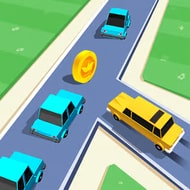
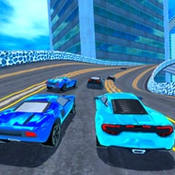
You leave the driving school courses behind, pull onto a real road and suddenly there are other cars, junctions, lanes and things that can appear without warning. This is where Teach My Little Sister How To Drive stops being a training exercise. The beginner lessons taught her to steer, stop and line up; real road driving asks her to do all of it at once while the world keeps moving, and it asks you to see trouble coming before she does.
- Other vehicles share the road and do not wait for her
- Junctions and turns arrive faster than on practice courses
- Lane changes need planning, not just steering
- Hazards can appear at any moment
From Courses to Traffic
The game’s lessons progress from beginner courses to real road driving, and as she improves there is more to teach her. On the practice courses, a late instruction meant a knocked-over cone. On a real road, it can mean a collision with another vehicle.
The rhythm of your instructions has to change. On courses you could stop, think and start again. In traffic, stopping in the middle of the road creates its own problems, so you need to plan a little further ahead and keep the car moving smoothly.
That does not mean speaking faster. It means speaking earlier. The more of the road you can see and describe in advance, the more time she has to react.
Turns and Junctions
A junction combines several actions: slowing down, checking for other cars, turning and straightening up. Trying to cover all of them in one sentence is a recipe for confusion. Split them into a sequence.
- Warn early “We are turning left at the next junction.”
- Slow down “Start slowing down now.”
- Wait if needed “Stop here and wait for the car to pass.”
- Turn “Turn left now, gently.”
- Straighten “Straighten the wheel and keep going slowly.”
The early warning is useful even if she does not act on it immediately. It gives context for the instructions that follow, and players often find that she handles the turn better when she knows it is coming.
Wrong-direction turns remain a known issue. If she starts turning the wrong way at a junction, stop the car rather than trying to fix the turn mid-maneuver in traffic.
Changing Lanes
Lane changes are among the commands she needs to handle on real roads. They look simple but involve timing: the gap in the next lane has to be there when she moves, not just when you speak.
Describe the goal, then the timing. “We need to move into the right lane” sets up the task. “Move over now, gently” tells her when. If a car is already in the way, say so plainly and wait for the next gap.
Tip: use the mouse to look over your shoulder before asking for a lane change. You are her mirrors, and she depends on your eyes as much as your words.
Avoid stacking a lane change on top of a turn or a speed change. One maneuver at a time keeps the car predictable.
Surprise Hazards
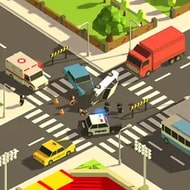
Real road driving includes unexpected emergencies, and danger can appear at any time. The store description promises everything from simple S-curves to unexpected emergencies, and the game delivers on the idea that the road is never fully under control.
The only reliable response to a surprise is a short, firm “stop” or “brake.” This is the one moment where a single word beats a full sentence. Practice saying it the instant you see something wrong, without adding explanations.
After the emergency, slow everything down again. A sister who has just slammed on the brakes is likely to be rattled, and her reaction to the next instruction can be unpredictable. A calm, friendly sentence helps her settle before you continue.
Staying Ahead of the Road
This rating reflects the habits that matter most on real roads, based on how she responds to instructions. Long explanations rank lowest because they tend to go over her head, especially when the road is busy.
The common thread is anticipation. You can see the road; she reacts to what you tell her about it. The earlier you describe what is coming, the better she drives.
For a refresher on wording, the voice commands guide covers the phrasing that works best in each situation.
- How is real road driving different from the courses? Other vehicles, junctions and surprise hazards appear, so you have to plan further ahead and give instructions earlier while keeping the car moving smoothly.
- What should I say in an emergency? A short, firm “stop” or “brake.” Single words are best only in emergencies, where speed of reaction matters more than detail.
- How do I get her to change lanes safely? Look around with the mouse, describe the goal, then give the timing with “move over now, gently.” Never combine a lane change with another maneuver.
Real roads are the final exam of Teach My Little Sister How To Drive: watch the traffic for her, warn early about every junction, keep “stop” ready for the surprises, and the nervous learner from the first lesson can make it home without a single dent.